
Prepare Your Garden Soil for a Strong Spring Growing Season
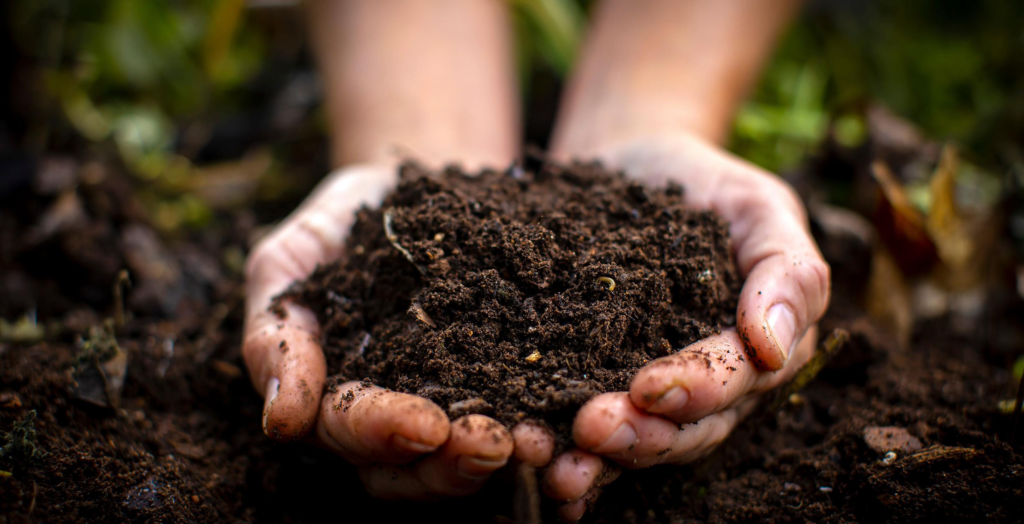
Prepare Your Garden Soil for a Strong Spring Growing Season
Healthy gardens begin beneath the surface. Before you plant your favorite vegetables, flowers, or herbs, give your soil a little attention. A few simple steps now can help your plants develop stronger roots and make better use of water and nutrients throughout the growing season.
Whether you’re working with a backyard garden, raised beds, or a small vegetable patch, you don’t need expensive equipment to get started. The most important thing is understanding what your soil needs—and improving it without doing more work than necessary.
In this guide, you’ll learn how to prepare garden soil, improve its structure, add organic matter, and choose the tools that make the job easier.
Why Spring Soil Preparation Matters
Over time, garden soil can become compacted, lose nutrients, or develop drainage problems. Winter weather, foot traffic, and previous plantings can all affect its condition.
Preparing your soil helps create a healthier environment for plant roots.
A well-managed garden soil should provide:
- Enough air for healthy root development
- Water that drains properly without drying out too quickly
- Organic matter to support soil life
- Nutrients suited to the plants you intend to grow
You don’t need perfect soil on day one. Improving it gradually is often the most practical approach.
1. Start by Checking Your Soil
Before buying fertilizer or adding amendments, take a few minutes to inspect the ground.
First, make sure the soil has thawed and is no longer saturated with water. Working very wet soil can damage its structure and create compacted clumps that are difficult to break apart.
Next, pick up a small handful of soil.
- If it feels sticky and smears easily: It may be too wet to work.
- If it forms a hard clump: It may contain substantial clay or need improved structure.
- If it falls apart easily into small crumbs: It may be at a workable moisture level.
This simple check is useful, but it doesn’t replace a soil test.
Product worth considering: Soil test kit
A soil test can help you understand soil pH and, depending on the test, nutrient levels. The results can guide decisions about fertilizer and other amendments instead of leaving you to guess.

- Rapitest, Soil Test Kit, Water Extraction Process, Capsule System, Unique Color Comparators
For a more detailed assessment, consider a laboratory test through your local cooperative extension service.
2. Clear Away Weeds and Garden Debris
Start with a clean, healthy growing area before adding new materials.
Remove weeds, fallen branches, and dead plant material that may harbor pests or disease. Healthy leaves can often be composted, while diseased material should be handled according to local composting guidance.
Be careful when clearing beds in early spring. Some beneficial insects overwinter in leaves and plant debris, so avoid disturbing everything unnecessarily, especially before temperatures have warmed.
If weeds have deep roots, remove as much of the root system as practical to reduce regrowth.
Helpful tool: Garden hand trowel
A sturdy hand trowel is useful for removing small weeds, loosening soil around bed edges, and working in tight spaces.

- IDEAL GIFTS FOR MEN, WOMEN – Our gardening tools set is the ultimate gift for any men women who loves to garden. Includi…
- A COMPLETE GARDEN TOOL SET – A durable garden tools set is all you need for your gardening.
- PREMIUM GARDEN TOOLS – Our gardening tool set comes with a Spray Bottle, Shovel, Crack Weeder, Hand Rake, Weeder, Pruner…
3. Improve Your Soil with Compost
Finished compost adds organic matter and helps support a healthy soil ecosystem.
If there’s one soil improvement worth considering for many gardens, it’s adding suitable organic matter.
Finished compost can improve soil structure, help sandy soil retain moisture, and make heavy soil easier to manage over time. It also contributes nutrients, although the amount varies depending on the compost.
Spread a layer over your garden bed and gently incorporate it into the surface where appropriate. In established beds, you can often apply compost on top and let natural soil activity gradually work it in.
For many garden beds, a layer around 1–2 inches is a reasonable starting point, but the ideal amount depends on the existing soil and your plants.
Avoid using fresh manure directly around growing plants. Use properly composted materials and follow local food-garden safety guidance.
Product recommendation: Finished garden compost
Look for mature, well-decomposed compost suitable for your intended use.

- 100% Organic & Peat-Free: Our compost mix is 100% organic & peat-free. Peat is one of Mother Nature’s most important sto…
- Intended for use in Compost Mix: Our unique soil blend is ideal for nurturing herbs, vegetables, and fruits planted in a…
- Better Moisture Control and Water Absorption: Our unique soil blend incorporates yucca extract for moisture control, dol…
A money-saving tip: If you have room, making compost from suitable kitchen scraps and garden waste can reduce the amount you need to purchase.
4. Loosen Compacted Soil Without Overworking It
Loosening the soil gently helps improve its structure without unnecessary disturbance.
Compacted soil can restrict root growth and slow water movement. However, turning or tilling the soil repeatedly isn’t always the answer.
For a small garden bed, use a garden fork to loosen the soil where it is compacted. Avoid turning it when it’s wet, and try not to disturb established roots.
If your soil is consistently heavy or poorly drained, consider whether a raised bed or a change in the growing area would be a better long-term solution.
Product recommendation: Garden digging fork
A digging fork can help loosen soil and improve the structure of a garden bed without requiring a large power tool.

- Durable Carbon Steel: Constructed from high-quality carbon steel, this digging fork is designed to tackle tough soil and…
- Supergrip Handle with Forward Tilt: The innovative Supergrip handle is designed with a forward tilt to provide the ideal…
- Versatile Functionality: Ideal for digging, aerating, and turning soil, making it an essential tool for gardeners lookin…
5. Test Before Adding Fertilizer or Soil Amendments
It’s tempting to assume every garden needs more fertilizer, but adding nutrients without knowing what is missing can waste money and sometimes harm plants.
A soil test can help identify pH issues and nutrient deficiencies. Use the results to decide whether your garden needs a fertilizer, lime, sulfur, or another amendment.
Remember that different plants have different requirements. A vegetable bed, a flower border, and a native-plant garden may need very different treatments.
Product recommendation: Garden fertilizer
If your soil test or plant needs indicate that fertilizer is appropriate, select a product formulated for your intended plants and follow its label.
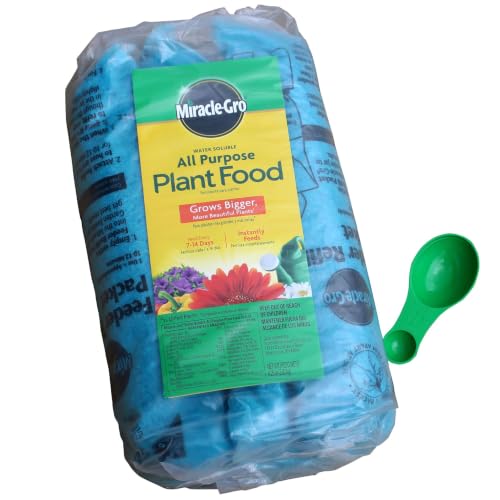
- Instantly feeds to grow bigger, more beautiful plants versus unfed plants
- Product packaging may vary
- Use with the Miracle-Gro Garden Feeder or any watering can
Important: Don’t apply lime or other pH-adjusting products automatically. Test first and follow recommendations for your soil and crops.
6. Protect Your Soil with Mulch
A suitable mulch layer helps cover bare soil and reduces moisture loss.
Once your soil is prepared, consider covering exposed areas with an appropriate mulch.
Mulch can help reduce evaporation, suppress weeds, and protect the soil surface from heavy rain. Organic mulches also gradually decompose, contributing organic matter over time.
Depending on your garden, suitable options may include shredded leaves, clean straw, wood chips, or other materials appropriate for the plants you’re growing.
Keep mulch away from the stems and crowns of plants to reduce the risk of rot. For vegetable beds, choose a material suited to the crop and the stage of growth.
Product recommendation: Organic garden mulch
If you don’t have suitable leaves or other materials available, bagged mulch may be a convenient alternative.

- Includes 10lb block of Back to the Roots compressed Coconut Coir that expands to 51qt of potting soil. A balanced pH, wh…
- Expands to over 2 cubic feet
- Peat Free OMRI Listed, assuring organic production, handling, and processing
7. Get the Soil Ready for Planting
Before planting, rake the surface gently and break up large clumps where necessary. The goal is a suitable seedbed—not powder-fine soil.
Check the planting instructions for your crops. Small seeds often need a finer surface than larger seeds or transplants.
Also check your local planting calendar and the expected last frost date. Preparing the soil doesn’t mean every plant is ready to go into the ground immediately.
For cool-season crops, the planting window may arrive earlier than it does for warm-season vegetables such as tomatoes, peppers, and squash.
Your Spring Soil Preparation Checklist
Use this quick checklist to keep the process simple.
- Wait until the soil is workable, not frozen or saturated.
- Remove problematic weeds and diseased plant debris.
- Test the soil when possible.
- Add finished compost or other suitable organic matter.
- Loosen compacted areas without overworking the soil.
- Apply amendments only when needed.
- Cover bare soil with suitable mulch where appropriate.
- Plant according to your crop and local weather conditions.
Common Mistakes to Avoid
Working soil when it is too wet. This can damage soil structure and increase compaction.
Adding too much fertilizer. More nutrients do not automatically mean healthier plants.
Ignoring soil pH. Some nutrients become less available when soil pH is unsuitable for the crop.
Using unfinished organic material. Fresh manure and incompletely decomposed materials can create problems for young plants.
Leaving soil bare unnecessarily. Suitable mulch can help protect the soil surface between plantings.
Frequently Asked Questions
When should I prepare garden soil for spring?
Begin when the soil has thawed and is dry enough to work without smearing or forming sticky clumps. The exact timing depends on your climate and local weather.
Is compost enough to improve garden soil?
Compost can improve soil structure and add organic matter, but it may not correct every nutrient deficiency or pH problem. A soil test can help you determine whether additional amendments are needed.
Should I till my garden every spring?
Not necessarily. Many gardens benefit from minimal disturbance, especially when soil structure is already good. Loosen compacted areas as needed rather than tilling automatically.
What tools do I need to prepare garden soil?
For a small garden, a hand trowel, digging fork, rake, and gloves may be sufficient. A soil test is also valuable for making informed decisions about amendments.
Can I prepare soil in a raised bed?
Absolutely. Remove problematic debris, assess the growing mix, add suitable compost when needed, and check drainage. Avoid adding fertilizer or other amendments without considering the plants and existing soil mix.
Give Your Garden a Strong Start This Spring
Healthy soil doesn’t happen overnight, but a little preparation can make a real difference over time.
Start by checking your soil, adding organic matter where appropriate, avoiding unnecessary disturbance, and correcting problems based on reliable test results. Then protect the surface and plant when conditions are right.
You don’t need to buy every tool or soil product available. Start with the essentials, focus on what your garden actually needs, and build healthier soil season after season.
Here’s to stronger roots, healthier plants, and a rewarding growing season!
Affiliate Disclosure
This article may contain affiliate links. If you buy through these links, limaffiliate.com may earn a commission at no additional cost to you. We aim to feature products relevant to the topic and useful to our readers.