
The Accidental Plant Killers: Five Common Mistakes and How to Fix Them
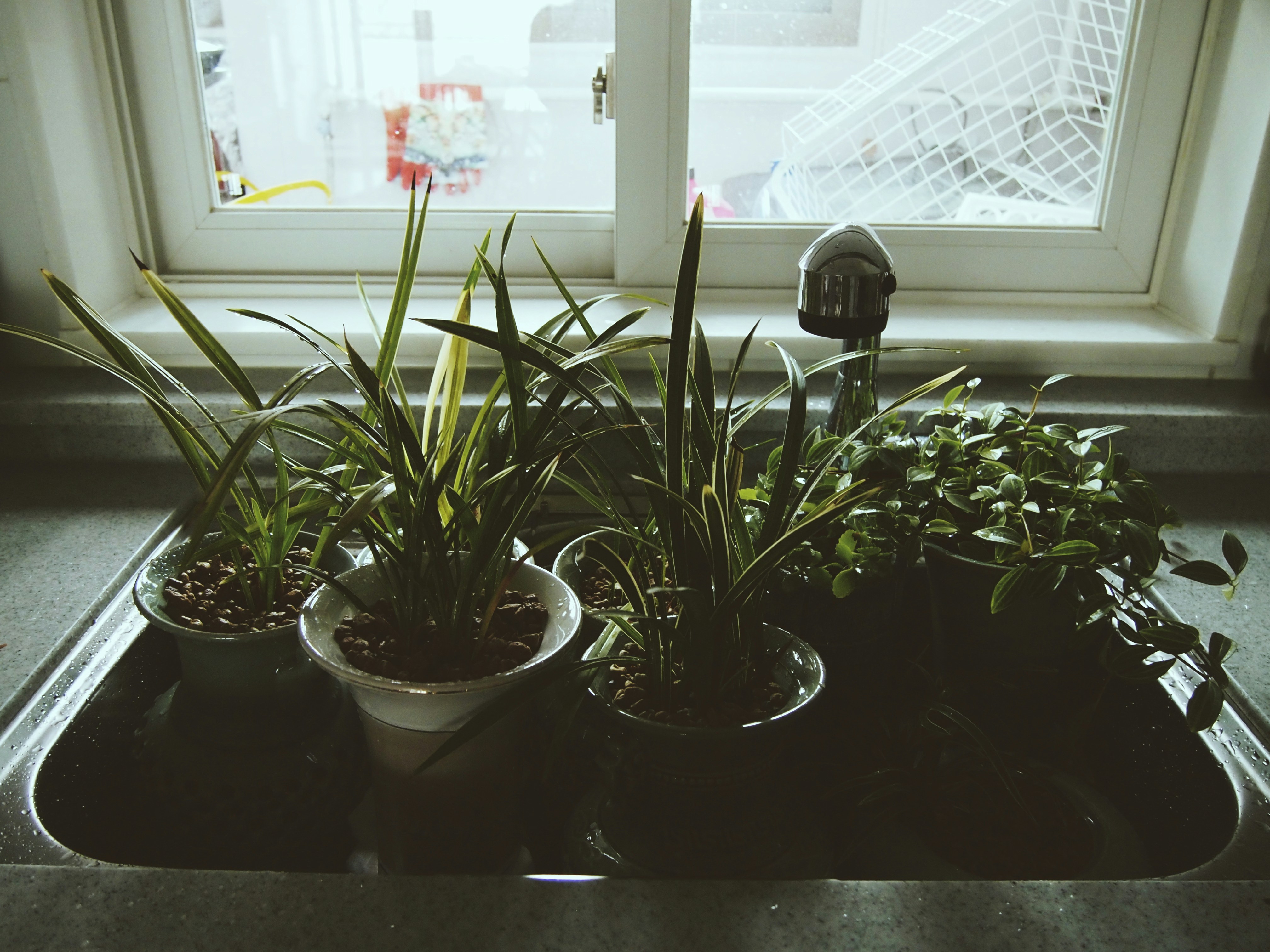
Have you ever watered a plant, given it a sunny spot, and watched it look worse a few days later?
You’re not alone. Many plant lovers accidentally harm their plants while trying to help them. Too much water, the wrong location, or the wrong soil can cause more trouble than you might expect.
The good news? You don’t need a green thumb or an expensive collection of gardening tools to improve your plant care routine.
In this guide, you’ll learn five common plant care mistakes, how to recognize the warning signs, and what to do to help your plants recover.
Quick answer: Start by checking the soil before watering, matching the plant to the right light, making sure the pot drains properly, using suitable potting mix, and avoiding too much fertilizer.
1. Overwatering: When Too Much Love Hurts
The mistake: Watering your plants too often.
It’s easy to assume that a thirsty-looking plant needs more water. But drooping leaves can also be a sign of overwatering. When soil stays wet for too long, roots may struggle to get the oxygen they need. Damaged roots can then lead to yellow leaves, soft stems, and root rot.
How to spot the problem
- Yellowing leaves, especially when the soil is wet.
- Soil that stays soggy for several days.
- A musty smell coming from the pot.
- Soft, dark, or mushy roots.
How to fix it
- Check the soil with your finger before watering.
- If the soil is still damp, wait and check again later.
- When watering is needed, water thoroughly and let the excess drain away.
- Empty any standing water from the saucer or decorative outer pot.
- If the roots are badly damaged, remove the plant carefully and trim away mushy roots with clean scissors before repotting in fresh mix.
Different plants have different watering needs, so avoid following a rigid weekly schedule.
Helpful product: A soil moisture meter can help you check moisture deeper in the pot.
Check soil moisture meters on Amazon
Photo placement: A close-up of a plant with yellowing leaves and overly wet soil.
2. Wrong Lighting: A Bad Spot Can Weaken a Good Plant
The mistake: Placing a plant wherever it looks best instead of where it can grow.
That beautiful corner of the room may be too dark. On the other hand, a plant beside a hot, sunny window may develop scorched leaves.
Plants use light to make the energy they need to grow. Too little light can cause weak, stretched growth, while excessive direct sunlight can damage leaves on plants that prefer shade.
How to spot the problem
- Long, thin stems reaching toward a window.
- Slow growth or fewer flowers.
- Pale leaves or leaves losing their usual color.
- Dry, brown patches on leaves exposed to strong sunlight.
How to fix it
- Check the light requirements for your specific plant.
- Move it gradually if it needs a brighter or less sunny location.
- Observe how much direct sunlight the spot receives throughout the day.
- Rotate the pot occasionally if the plant grows unevenly toward the window.
- If natural light is limited, consider a suitable grow light.
Remember: “Low light” usually means less light, not no light.
Helpful product: An LED grow light may help when a room does not provide enough natural light.
Explore LED grow lights on Amazon
Photo placement: A healthy green houseplant near a bright window.
3. Poor Drainage: When Water Has Nowhere to Go
The mistake: Using a pot without drainage holes or allowing water to collect at the bottom.
Even if you water carefully, a pot without proper drainage can trap excess moisture around the roots. The top of the soil may look dry while the lower part remains wet.
Decorative pots are not always designed for direct planting, and that can create problems if you don’t check the bottom.
How to spot the problem
- Water remains in the pot after watering.
- Soil takes a long time to dry.
- Leaves turn yellow or stems become soft.
- Roots look brown or feel mushy.
How to fix it
- Choose a pot with drainage holes.
- Use a saucer to protect furniture and floors.
- Allow excess water to drain before returning the plant to its decorative pot.
- Choose a pot only slightly larger than the existing root ball when repotting.
- Never rely on a layer of gravel at the bottom to fix a pot that lacks drainage holes.
You can still use a beautiful decorative planter. Simply keep the plant in a draining nursery pot inside it, and remove standing water after watering.
Helpful product: A nursery pot with drainage holes is a simple, budget-friendly solution.
Find plant pots with drainage holes on Amazon
Photo placement: A plant being repotted into a pot with drainage holes.
4. The Wrong Soil: Not Every Plant Likes the Same Mix
The mistake: Using the same soil for every plant—or using dense garden soil in indoor pots.
Different plants need different levels of moisture, airflow, and drainage. A dense mix may stay wet for too long, while a very fast-draining mix may dry out before a thirsty plant gets enough water.
Garden soil can also compact in containers, making it harder for roots to get the air and water they need.
How to spot the problem
- Soil becomes hard and compacted.
- Water sits on the surface or runs down the sides without soaking in.
- The plant struggles even though you water it correctly.
- Roots appear crowded or unhealthy.
How to fix it
- Identify the type of plant you have.
- Choose a potting mix suited to its needs.
- Use a well-draining indoor potting mix for many common houseplants.
- For plants that prefer drier roots, choose a mix designed for succulents or cacti.
- Repot when the soil has broken down, drainage is poor, or the roots have outgrown the container.
Avoid changing soil just because a plant has one yellow leaf. Check watering, light, and drainage first.
Helpful product: A quality indoor potting mix is a useful starting point for many leafy houseplants.
Explore indoor potting mixes on Amazon
Photo placement: Fresh potting mix being added to a terracotta pot during repotting.
5. Too Much Fertilizer: More Food Isn’t Always Better
The mistake: Feeding plants too often or using more fertilizer than the label recommends.
Fertilizer provides nutrients, but too much can build up salts in the soil and damage roots. A struggling plant may not need more food—it may need better drainage, more suitable light, or less water.
How to spot the problem
- Brown or scorched leaf tips.
- A white crust on the soil surface or pot rim.
- Poor growth despite frequent feeding.
- A plant that declines after being fertilized.
How to fix it
- Check whether the plant is actively growing.
- Follow the fertilizer label and use the recommended amount.
- Avoid feeding a severely stressed plant until you understand what is wrong.
- Do not fertilize automatically every time you water.
- If you suspect fertilizer buildup, check the product guidance and plant needs before flushing the soil or repotting.
Many houseplants need less fertilizer during periods of slow growth. The right feeding routine depends on the plant, the season, and its growing conditions.
Helpful product: A balanced houseplant fertilizer can be useful when your plant needs extra nutrients.
Compare houseplant fertilizers on Amazon
Photo placement: A small, measured amount of fertilizer being applied to a healthy potted plant.
A Simple Plant Rescue Checklist
Before you buy anything or change your plant’s routine, work through this checklist:
- Check whether the soil is wet, damp, or dry.
- Confirm that the pot has drainage holes.
- Check whether the plant gets the right amount of light.
- Look underneath leaves and around stems for pests.
- Check whether the potting mix suits the plant.
- Review your recent watering and fertilizer routine.
- Make one or two sensible changes, then watch for improvement.
Tip: Take a photo of your plant today. Compare it with a new photo in a week or two. Healthy new growth is often a more useful sign of recovery than an old damaged leaf becoming green again.
When Should You Repot a Struggling Plant?
Repotting can help when the soil has deteriorated, drainage is poor, or the roots have become crowded. But repotting is not always the answer.
Consider repotting if:
- Roots are tightly circling the inside of the pot.
- Water cannot move through the soil properly.
- The potting mix has broken down or become compacted.
- You need to remove rotten roots and replace damaged soil.
Choose a pot that gives the roots a little extra room rather than jumping to a much larger container. A pot that is too large can hold excess moisture for longer than the roots can use.
Frequently Asked Questions
How often should I water my houseplants?
There is no single schedule that works for every plant. Check soil moisture, consider the plant’s needs, and adjust for light, temperature, season, and pot size.
Should I cut off yellow leaves?
You can remove leaves that are fully yellow, dead, or badly damaged using clean scissors. However, first try to identify the cause. Removing leaves alone will not solve overwatering, poor light, or other underlying problems.
Can a dying plant recover?
Sometimes. If the roots and growing points are still healthy, correcting the cause may allow new growth to appear. Severely damaged plants may not recover, so act early when possible.
Do I need expensive products to keep plants healthy?
Usually not. Correct watering, suitable light, proper drainage, and the right growing medium matter more than buying lots of accessories. Start with the basics and purchase tools only when they solve a real problem.
Final Thoughts: Small Changes Can Save Your Plants
You don’t need to be a gardening expert to grow healthier plants. You simply need to understand what your plants need—and notice when something is wrong.
Start with the basics: check the soil before watering, choose the right location, use a pot that drains well, select suitable potting mix, and fertilize carefully.
Make changes gradually and give your plant time to respond. With a little observation and a few better habits, you can avoid many common plant care mistakes and enjoy greener, healthier growth.
Ready to give your plants a fresh start? Begin with the basics, then choose the tools that make plant care easier.
Affiliate disclosure: This article contains affiliate links. If you buy through these links, we may earn a commission at no extra cost to you. As an Amazon Associate, we earn from qualifying purchases.