
Recovery Tools Under the Microscope: What Foam Rollers, Massage Guns, and Compression Sleeves Can—and Can’t—Do
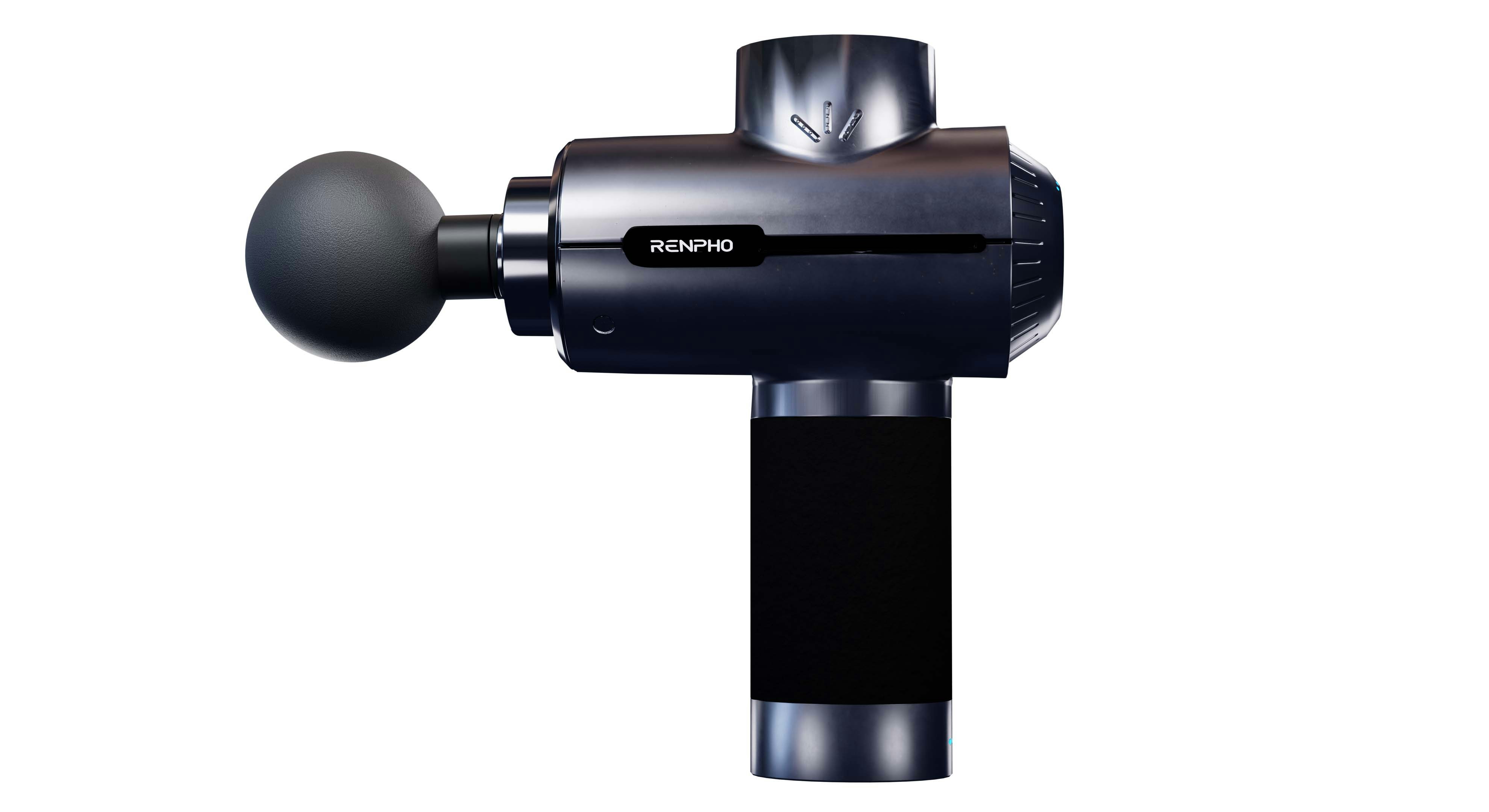
Sore muscles after a workout? Before spending money on recovery gadgets, find out which tools may help, what the evidence says, and which products you can probably skip.
After a challenging workout, your legs feel heavy, your shoulders feel tight, and every step reminds you that you exercised yesterday.
That’s when recovery products start looking tempting.
Foam rollers promise looser muscles. Massage guns offer a deep-tissue massage at home. Compression sleeves claim to support tired legs.
But do you really need all three?
The good news is that you don’t need an expensive recovery setup to take care of your body. Some tools may help you feel more comfortable, while others offer benefits that are less impressive than their marketing suggests.
This guide breaks down the three most popular recovery tools, explains how to choose them, and helps you decide where your money is best spent.
Affiliate disclosure: This article contains affiliate links. If you purchase through these links, Lim Affiliate may earn a commission at no additional cost to you.
Quick Comparison: Which Recovery Tool Is Right for You?
| Recovery tool | What it may help with | Main limitation |
|---|---|---|
| Foam roller | Temporary muscle soreness relief and improved range of motion | Can be uncomfortable or difficult to use correctly |
| Massage gun | Short-term relief from muscle tightness and improved mobility | More expensive; aggressive use can cause injury |
| Compression sleeves | A feeling of support and potentially modest recovery benefits | Results vary, and tightness or swelling may have other causes |
| Massage ball | Targeted pressure on smaller muscle areas | Easy to apply too much pressure |
| Rest and gentle movement | General recovery between workouts | Requires patience and consistency |
Our beginner-friendly recommendation: Start with adequate rest, gentle movement, and a simple foam roller if you find it comfortable. Consider a massage gun or compression sleeves only if they solve a specific problem for you.
1. Foam Rollers: A Simple Tool for Sore, Stiff Muscles
Product link: Browse foam rollers on Amazon
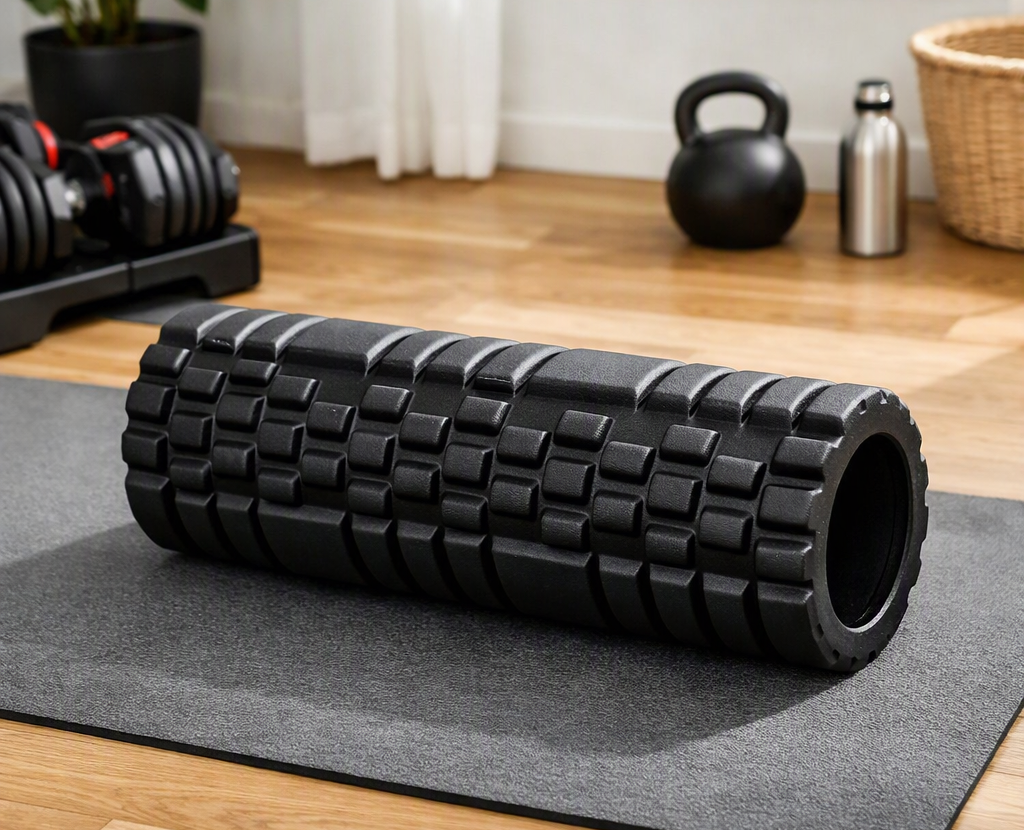
A foam roller is a lightweight cylinder that you use with your body weight to apply pressure to your muscles.
You slowly roll over selected areas, such as your thighs, calves, or upper back. The pressure may help reduce the feeling of tightness and make movement more comfortable.
Foam rollers are popular because they’re affordable, easy to store, and don’t require batteries or charging.
What can a foam roller actually do?
Foam rolling may help with:
- Temporary soreness relief: Some people experience less muscle soreness after rolling.
- Improved range of motion: It may temporarily make certain movements feel easier.
- A more comfortable warm-up: Gentle rolling can be part of your preparation before exercise.
- Relaxation: Slow, controlled movements can feel soothing after a demanding session.
However, foam rolling isn’t a magic fix. It doesn’t guarantee faster muscle repair, prevent injuries, or permanently remove muscle knots.
The exact benefits depend on the individual, the technique, and the type of exercise performed.
How to choose a foam roller
You don’t need the most expensive model.
Consider these features before buying:
Density: A softer roller may be more comfortable for beginners. A firmer roller provides stronger pressure but can feel uncomfortable.
Texture: A smooth roller offers a simple introduction. Textured rollers provide a different pressure sensation but aren’t automatically more effective.
Length: A longer roller can be useful for the back and larger muscle groups. A shorter one takes up less storage space and is easier to carry.
Durability: Look for a roller that maintains its shape and is easy to clean.
Compare foam roller options and sizes.
How to use a foam roller safely
- Position the roller beneath a muscle group, such as your thigh.
- Support your body with your arms or legs.
- Move slowly over the muscle using comfortable pressure.
- Avoid rolling directly over joints, bones, or injured areas.
- Stop if you experience sharp pain, tingling, numbness, or worsening symptoms.
Start with a short session and see how your body responds. More pressure isn’t necessarily better.
Our verdict: A foam roller is a sensible first purchase for people who enjoy self-massage and want an inexpensive way to work on temporary stiffness.
2. Massage Guns: Convenient, but Not Essential
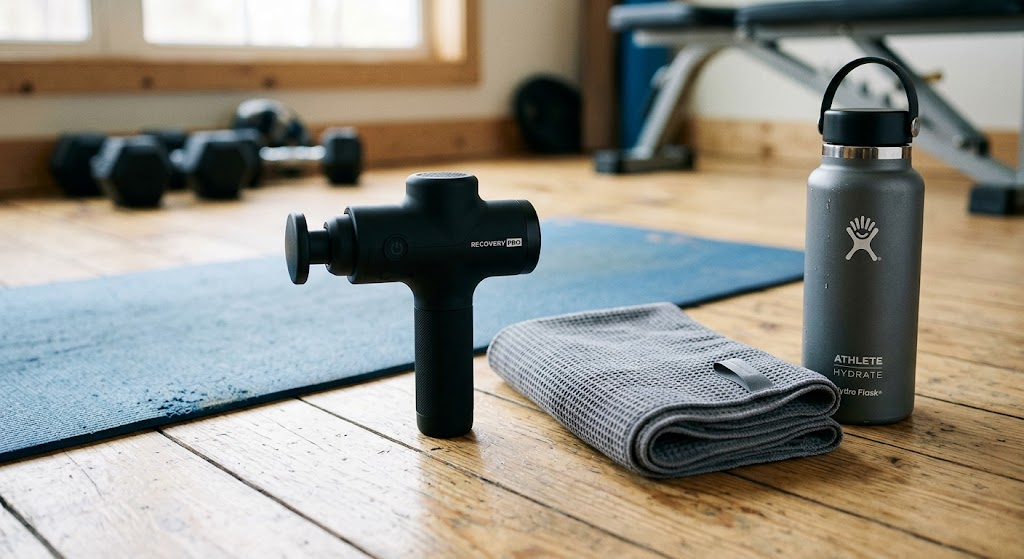
Massage guns use rapid, repeated movements to apply pressure to soft tissue.
Unlike a foam roller, you hold the device in your hand and guide it over the muscle you want to target.
This makes massage guns convenient for people who prefer not to get down on the floor or who want to focus on a particular muscle area.
But convenience doesn’t automatically mean better recovery.
What can a massage gun actually do?
A massage gun may help you experience:
- Temporary relief from muscle tightness.
- Short-term improvements in flexibility or range of motion.
- A more comfortable feeling after exercise.
- Convenient self-massage without needing another person.
Evidence for massage guns is still developing. Research suggests possible short-term benefits for soreness and mobility, but claims that they dramatically accelerate recovery or improve athletic performance should be treated cautiously.
A massage gun also doesn’t replace sleep, adequate nutrition, sensible training, or medical care when needed.
What should you look for when buying one?
Massage guns vary widely in price. Before spending more, consider these practical features.
Weight and grip: A lighter device may be easier to hold, particularly when reaching your legs or shoulders.
Noise level: If you live with other people or prefer a quiet environment, look for a model with a comfortable noise level.
Speed settings: Several settings can help you adjust the intensity. More settings don’t necessarily mean better results.
Battery life: Choose a battery capacity that suits how frequently you plan to use the device.
Attachments: A basic set of useful attachments is usually sufficient. You don’t need a large collection of interchangeable heads.
Warranty and return policy: Check what happens if the device stops working or doesn’t meet your expectations.
How to use a massage gun safely
- Start at the lowest setting.
- Keep the device moving gently over the muscle.
- Use light pressure rather than forcing it into the tissue.
- Follow the manufacturer’s time and usage instructions.
- Avoid bones, joints, the front of the neck, and injured or swollen areas.
Don’t use a massage gun over areas with reduced sensation or circulation problems unless a qualified healthcare professional confirms it’s appropriate.
If you take blood-thinning medication or have a condition that increases bleeding risk, seek professional advice before using percussive massage.
Stop if you experience pain, bruising, numbness, or unusual symptoms.
Our verdict: A massage gun may be worth considering if you enjoy targeted massage and will use it regularly. If you’re on a tight budget, you can skip it and start with simpler recovery methods.
3. Compression Sleeves: Do They Really Help Recovery?
Product link: Browse compression sleeves on Amazon
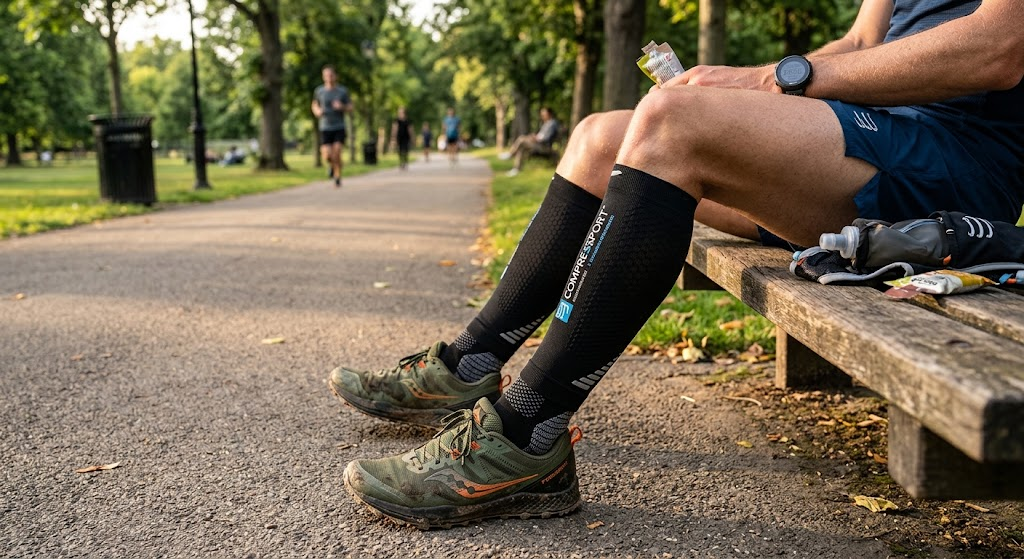
Compression sleeves are snug garments worn around areas such as the calves or knees.
Athletes often wear them during exercise, after training, or while travelling. They provide external pressure and may create a feeling of support and comfort.
However, compression sleeves aren’t the same as medical compression garments prescribed for certain circulation conditions.
What can compression sleeves actually do?
Depending on the garment and the individual, compression clothing may:
- Feel supportive during or after exercise.
- Provide a comfortable, snug fit around the muscles.
- Offer modest benefits for perceived soreness in some situations.
- Help some athletes feel more comfortable during recovery.
Research on compression garments shows mixed results. Some studies report modest improvements in perceived soreness or certain recovery measures, while other outcomes show little difference.
Compression sleeves don’t guarantee faster muscle repair or prevent all exercise-related injuries.
How to choose the right compression sleeves
Correct sizing: Measure the relevant body area and use the manufacturer’s sizing chart. Don’t guess based on your usual clothing size.
Comfortable pressure: The garment should feel supportive, not painful or restrictive.
Breathable material: Moisture-managing fabric can make the sleeves more comfortable during activity.
Intended use: Some sleeves are designed for sport, while others are medical garments intended for specific conditions.
Compare athletic compression calf sleeves.
When should you avoid compression sleeves?
Remove the garment if you experience numbness, tingling, unusual pain, discoloration, or coldness in the affected area.
If you have circulation problems, reduced sensation, unexplained swelling, or a history of blood clots, ask a healthcare professional whether compression is appropriate for you.
Sudden swelling in one leg, particularly with pain, warmth, or redness, needs prompt medical assessment rather than self-treatment with a recovery product. Chest pain or shortness of breath alongside these symptoms requires emergency care.
Our verdict: Compression sleeves may be a useful comfort accessory for some athletes, but they’re optional for most general fitness routines. Choose them for a specific need rather than assuming every workout requires compression.
4. Don’t Overlook Massage Balls
Product link: Browse massage balls on Amazon
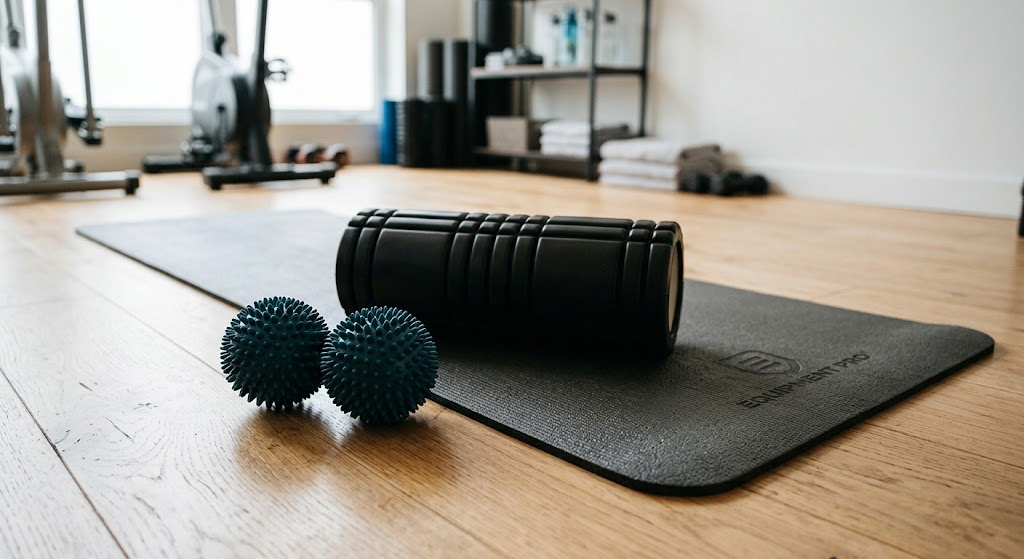
A massage ball is a small, portable tool for applying pressure to a limited area.
Because it is smaller than a foam roller, it can be useful for targeting areas that are harder to reach with a larger cylinder.
Some people use massage balls around the glutes, feet, or other muscle areas where gentle, targeted pressure feels comfortable.
What makes massage balls useful?
- They’re inexpensive compared with many electronic recovery devices.
- They’re small enough to keep in a gym bag.
- They can target smaller areas.
- They require no charging or special setup.
What should you buy?
A smooth, moderately firm ball is a reasonable starting point. Lacrosse-style massage balls are popular, but a very hard ball may feel too intense for beginners.
Compare massage balls for self-massage.
Avoid pressing directly on bones, joints, the front of the neck, or areas that are injured or unusually painful.
Our verdict: If you want an inexpensive addition to a foam roller, a massage ball may be useful. It’s not essential, but it can be a practical option for targeted self-massage.
5. Which Recovery Tool Gives You the Best Value?
You don’t need to buy every product featured in this article.
The best choice depends on your budget, your preferred method of self-massage, and the kind of comfort you’re looking for.
| If your main goal is… | Consider… | Why |
|---|---|---|
| Affordable, general self-massage | Foam roller | Covers larger muscle groups without electronics |
| Targeted massage with less floor work | Massage gun | Easy to direct at specific muscles |
| A snug, supportive feeling | Compression sleeves | Lightweight and wearable |
| Targeting a small area | Massage ball | Compact and portable |
| General recovery on a tight budget | Rest and gentle movement | No special equipment required |
Our budget-friendly buying strategy
First choice: Foam roller. If you enjoy rolling and want to work on larger muscle groups, it’s a practical place to begin.
Second choice: Massage ball. Consider one if you want a portable tool for targeted pressure.
Third choice: Massage gun. Buy one if its convenience suits your needs and justifies the extra cost.
Optional choice: Compression sleeves. Try them if you like the feel or have a specific, appropriate reason to use them.
There is no need to buy all four at once. You may find that one tool—or none at all—is enough for your routine.
6. What Recovery Tools Cannot Do
Recovery products can be useful, but their limitations matter just as much as their benefits.
They cannot replace sleep
Sleep is an important part of recovery. A massage gun or foam roller cannot make up for consistently inadequate rest.
Aim for a regular sleep schedule and enough sleep to feel rested. Most adults need at least seven hours per night, although individual needs vary.
They cannot replace good nutrition
Your body needs adequate energy, protein, fluids, and a balanced diet to support training and recovery.
A recovery device cannot compensate for consistently under-fuelling your workouts.
They cannot erase every ache
Mild muscle soreness after unfamiliar or demanding exercise is common. But not every ache is ordinary post-workout soreness.
Severe pain, significant swelling, unusual weakness, persistent symptoms, or pain that gets worse instead of improving may need medical evaluation.
Don’t keep applying pressure to a painful area in the hope that a tool will fix it.
They cannot guarantee injury prevention
Using a recovery tool doesn’t guarantee that you’ll avoid injury.
Gradual training progression, appropriate technique, sufficient rest, and responding to warning signs remain important.
They cannot make every workout recover faster
The benefits of recovery tools vary. Feeling better after massage is a worthwhile outcome, but it doesn’t necessarily mean that the underlying tissues have healed faster or that your next workout will be better.
The goal is to support a sustainable fitness routine—not to buy your way around recovery.
7. A Simple Recovery Routine You Can Try at Home
You don’t need a complicated recovery schedule. Start with a routine that feels comfortable and fits your training.
After a workout
Step 1: Cool down.
Spend a few minutes walking slowly or doing another comfortable, low-intensity activity.
Step 2: Drink fluids.
Drink water according to your needs, activity level, and conditions. Longer or hotter workouts may require additional attention to fluid and electrolyte replacement.
Step 3: Use a recovery tool if it feels helpful.
Choose gentle foam rolling or a massage gun on an appropriate muscle area. Follow the manufacturer’s directions and stop if something hurts.
Step 4: Eat a balanced meal.
Include a source of protein and other nutritious foods to support your body’s recovery needs.
Step 5: Rest.
Allow enough time between demanding sessions, and adjust your next workout if soreness or fatigue affects your movement.
On rest days
Gentle walking, comfortable mobility exercises, and normal daily movement may help you feel less stiff.
You don’t need to use a recovery device every day. If a tool isn’t providing a noticeable benefit, you can leave it out of your routine.
8. Common Recovery Tool Mistakes to Avoid
Before you spend money, watch out for these common mistakes.
Mistake 1: Assuming the most expensive product works best.
A premium massage gun may have useful features, but it isn’t automatically more effective for your needs than a simple foam roller.
Mistake 2: Applying too much pressure.
More pressure can increase discomfort and may cause bruising or other injury. Start gently.
Mistake 3: Buying products based on dramatic claims.
Be cautious of products that promise to flush toxins, eliminate lactic acid, repair muscles instantly, or prevent every injury.
Mistake 4: Ignoring product instructions.
Use recovery tools according to their design and safety instructions. Avoid improvised uses that could damage the product or injure you.
Mistake 5: Treating every pain as muscle soreness.
New, severe, persistent, or unexplained pain deserves attention. A recovery device is not a diagnostic tool.
Mistake 6: Buying equipment before identifying your needs.
Choose a tool because it addresses a real problem, not because a product advertisement makes you feel that your routine is incomplete.
Frequently Asked Questions
Is a foam roller better than a massage gun?
Neither is best for everyone. A foam roller is generally simpler and more affordable for larger muscle groups. A massage gun offers convenient, targeted pressure. Both may provide short-term benefits, and personal preference matters.
Should I use a foam roller before or after exercise?
You can use gentle foam rolling before a workout if it helps you move comfortably. Some people also use it afterward to ease perceived soreness. It should complement—not replace—a suitable warm-up and recovery routine.
Can compression sleeves speed up muscle recovery?
They may offer modest benefits for perceived soreness or some recovery measures, but results vary. They aren’t guaranteed to speed muscle repair, and correct sizing is important.
Do I need all three recovery tools?
No. Many people can maintain a sensible fitness routine without buying any specialized recovery equipment. If you want to try one, start with the simplest option that meets your needs.
How often should I use a massage gun?
Follow the manufacturer’s instructions for the specific device and begin conservatively. Avoid prolonged or aggressive use, particularly over sensitive or painful areas. Stop if you notice unusual symptoms.
Can recovery tools help with an injury?
They shouldn’t be used as a substitute for evaluating or treating an injury. Depending on the problem, applying pressure or compression may be inappropriate. Seek professional advice if you suspect an injury or your symptoms are persistent or severe.
Final Verdict: Buy What Helps, Skip What Doesn’t
Recovery tools can make a fitness routine more comfortable, but they aren’t magic solutions.
A foam roller is a sensible, relatively inexpensive starting point for people who enjoy self-massage. A massage gun offers more targeted convenience at a higher price. Compression sleeves may suit people who prefer a supportive garment, while massage balls provide another compact option.
But remember the basics: sleep, sensible training, adequate nutrition, and rest matter more than owning a collection of recovery gadgets.
Start with one tool if you need one. Give it a fair trial, pay attention to how you feel, and spend more only when you have a good reason.
Ready to explore your options?
Choose carefully, recover sensibly, and keep your fitness routine sustainable.
Health note: This article is for general educational purposes and is not a substitute for individualized medical advice.
Affiliate reminder: Replace the sample tracking ID in all Amazon links with your own valid Associates tracking ID. Keep your affiliate disclosure visible and follow the current policies of Amazon Associates and any other affiliate programs you use.